
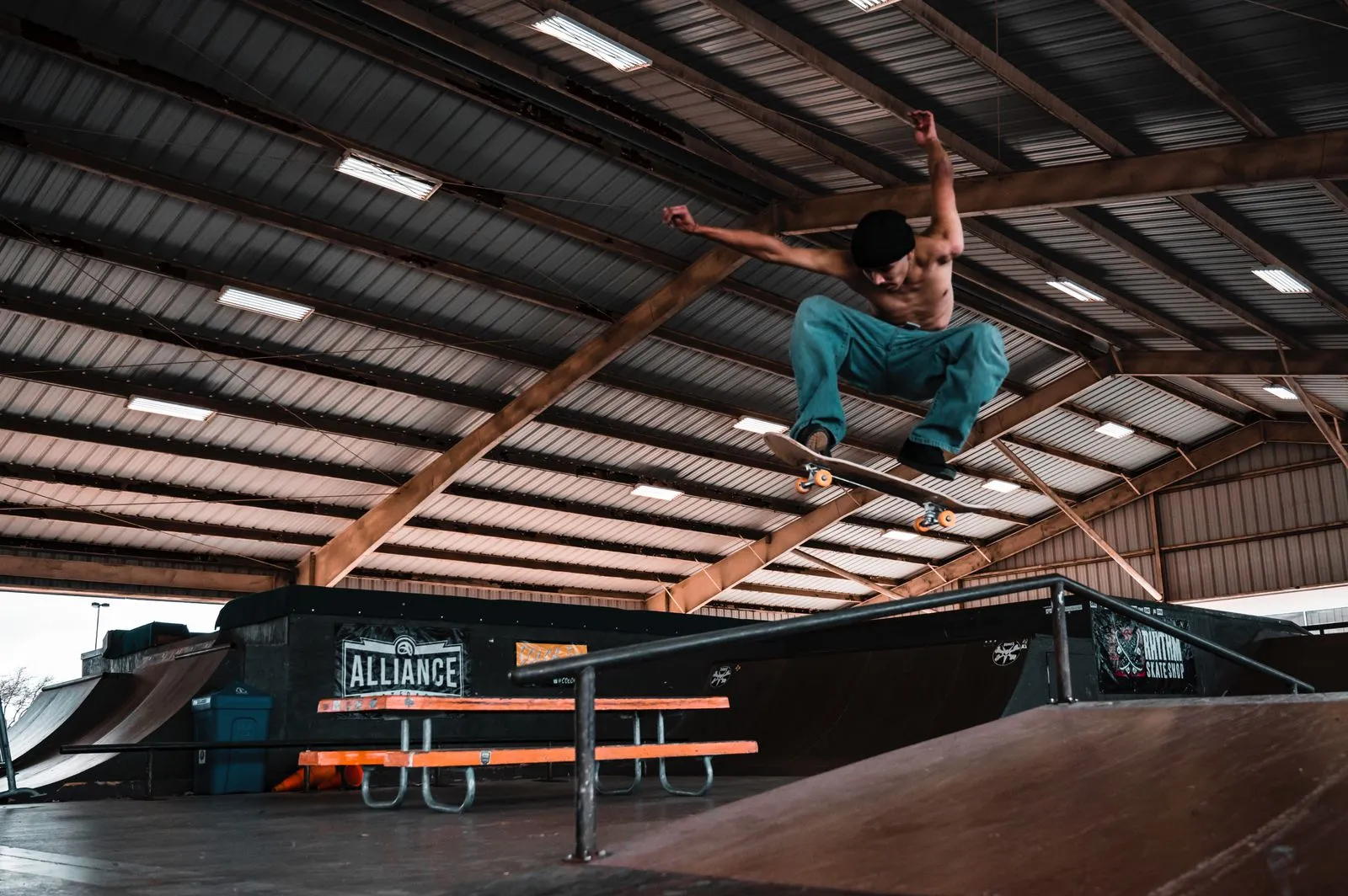
A quick skateboard check can help you spot loose parts, worn wheels, and dirty bearings before they affect your ride. You do not need a full workshop or advanced skills for basic upkeep—just a few minutes, the right skate tool, and a habit of checking your setup regularly. Start with the parts that move or hold the board together, and address unusual looseness, noise, or damage before riding.
Check Wheels for Wear
Spin each wheel and look for cracks, flat spots, chunks missing from the riding surface, or uneven wear. A wheel that wobbles noticeably may have a damaged core or may not be seated correctly. Small differences in wheel shape can change how the board rolls and feels, especially during turns.
Rotate your wheels periodically to spread wear more evenly. The best rotation pattern depends on your riding style and wheel shape, so keep the wheels on the same side and switch their positions in a consistent way. Replace a wheel if it is cracked, severely uneven, or no longer rolls smoothly after you check the bearings and axle nut.
Keep Bearings Clean
Listen and feel as each wheel spins. Grinding, persistent squeaking, or a rough sensation can signal dirty or worn bearings, though a wheel that stops quickly does not automatically mean the bearings are bad. Dust and moisture can build up over time and affect how freely they roll.
Remove the wheels and bearings only if you are comfortable doing so. Use a cleaner made for skateboard bearings, let the parts dry fully, then apply a small amount of bearing lubricant. Avoid soaking bearings in water or spraying them with general-purpose lubricants. Replace bearings that remain rough, corroded, or noisy after cleaning.
Inspect Trucks and Bushings
Look over each truck for cracks, bent axles, damaged pivot cups, or loose kingpin nuts. Turn the board from side to side and notice whether the trucks respond smoothly and return toward center. A sudden change in turning or a clunking sound deserves a closer look before your next session.
Bushings can become cracked, split, or compressed with use. Replace damaged bushings rather than tightening the kingpin nut excessively to compensate. Adjust the kingpin in small increments: tighter trucks turn less easily, while looser trucks turn more easily. Make sure both trucks feel controlled and suitable for your riding, then test adjustments at low speed.
Tighten Hardware Safely
Check the four mounting bolts on each truck and make sure they sit securely against the deck. Tighten loose bolts with a skate tool, alternating between them so the truck stays evenly seated. Do not overtighten; excessive force can damage the deck or strip the hardware.
Check axle nuts, kingpin nuts, and any other fasteners for secure fit. Wheel axle nuts should hold the wheel in place without squeezing it so tightly that it cannot spin freely. After adjustments, lift each end of the board and spin the wheels, then roll slowly in a safe area to confirm everything feels stable.
Make these checks part of your pre-ride routine, and take a closer look whenever your board rattles, turns differently, or rolls roughly. Keep a skate tool handy, replace damaged parts, and make adjustments gradually. If you want help checking your setup, visit Crescent Vert in New Orleans or contact the shop with your questions.